The złoty (PLN)
Its own floating currency, issued by Narodowy Bank Polski. The NBP’s inflation target is 2.5% (± 1 percentage point). Prices, invoices and taxes are settled in złoty; contracts between businesses may also be concluded in euros.
Have a question?+48 505 460 020Napiszhello@hl-bc.com
Everything worth knowing before you start doing business here: the economy, regions, cities, taxes, culture and history. Status: October 2026.
Poland’s position
the basics
| Capital | Warsaw |
| Waluta | złoty (PLN); Poland is not in the euro area |
| Language | Polish; English is widely used in business in large cities |
| Time zone | CET (UTC+1), CEST (UTC+2) in summer |
| Political system | parliamentary republic |
| Phone | +48 |
| Public holidays | 13 statutory holidays; most shops are closed on Sundays |
| EU driving licences and documents | recognised without exchange |
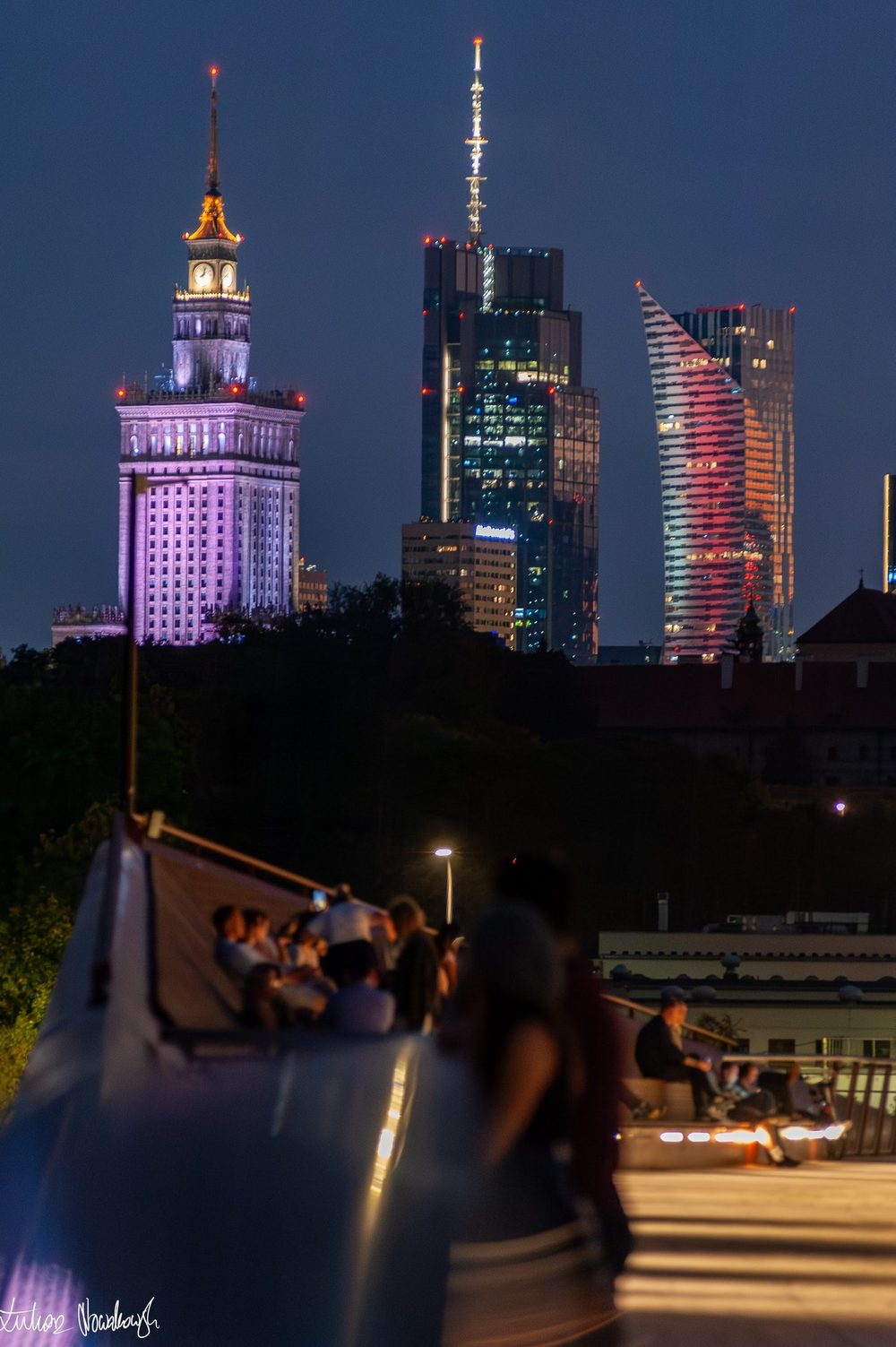
economy
Sources: GUS, Eurostat, IMF, NBP. Figures rounded.
currency and the european union
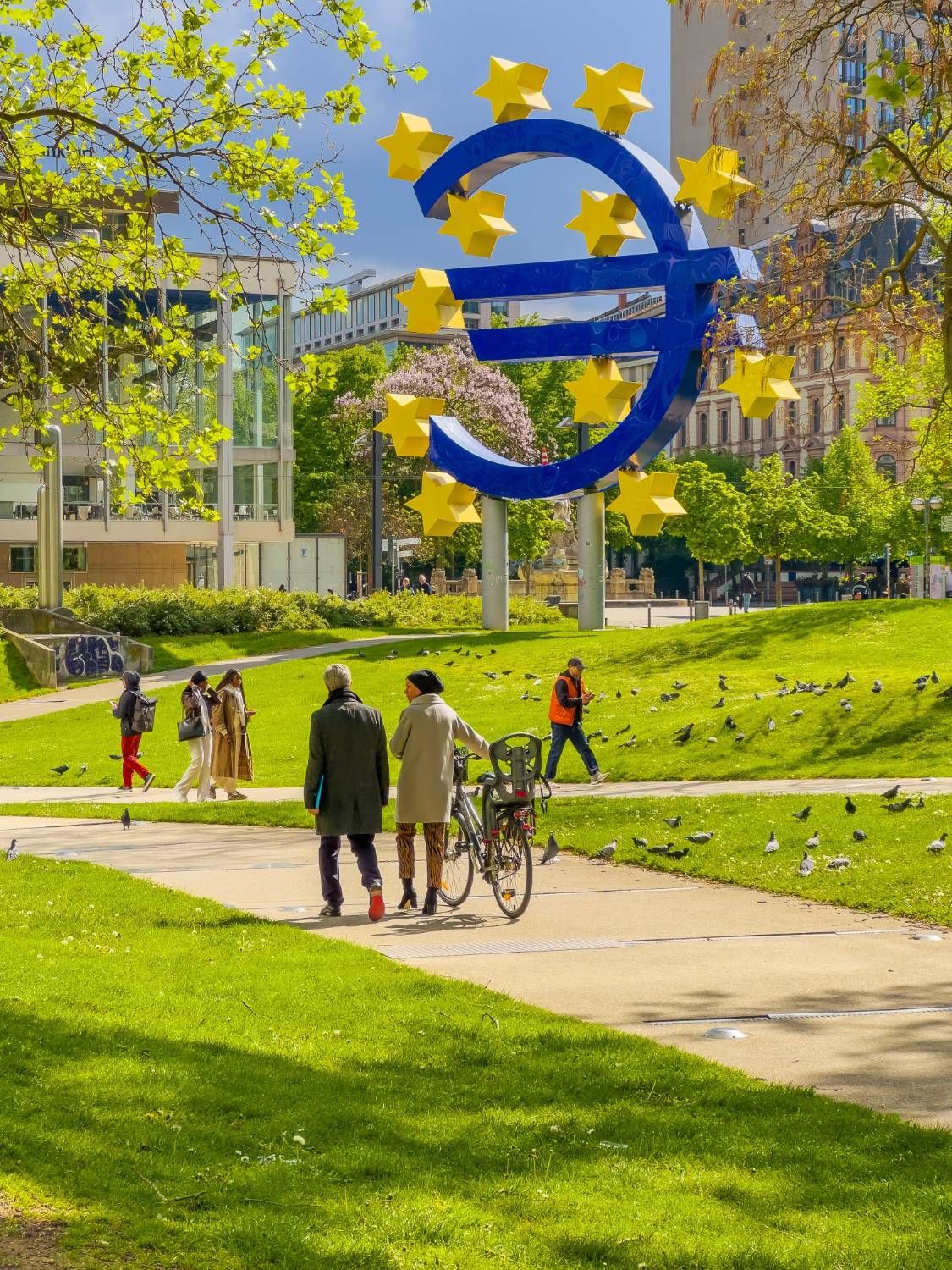
Its own floating currency, issued by Narodowy Bank Polski. The NBP’s inflation target is 2.5% (± 1 percentage point). Prices, invoices and taxes are settled in złoty; contracts between businesses may also be concluded in euros.
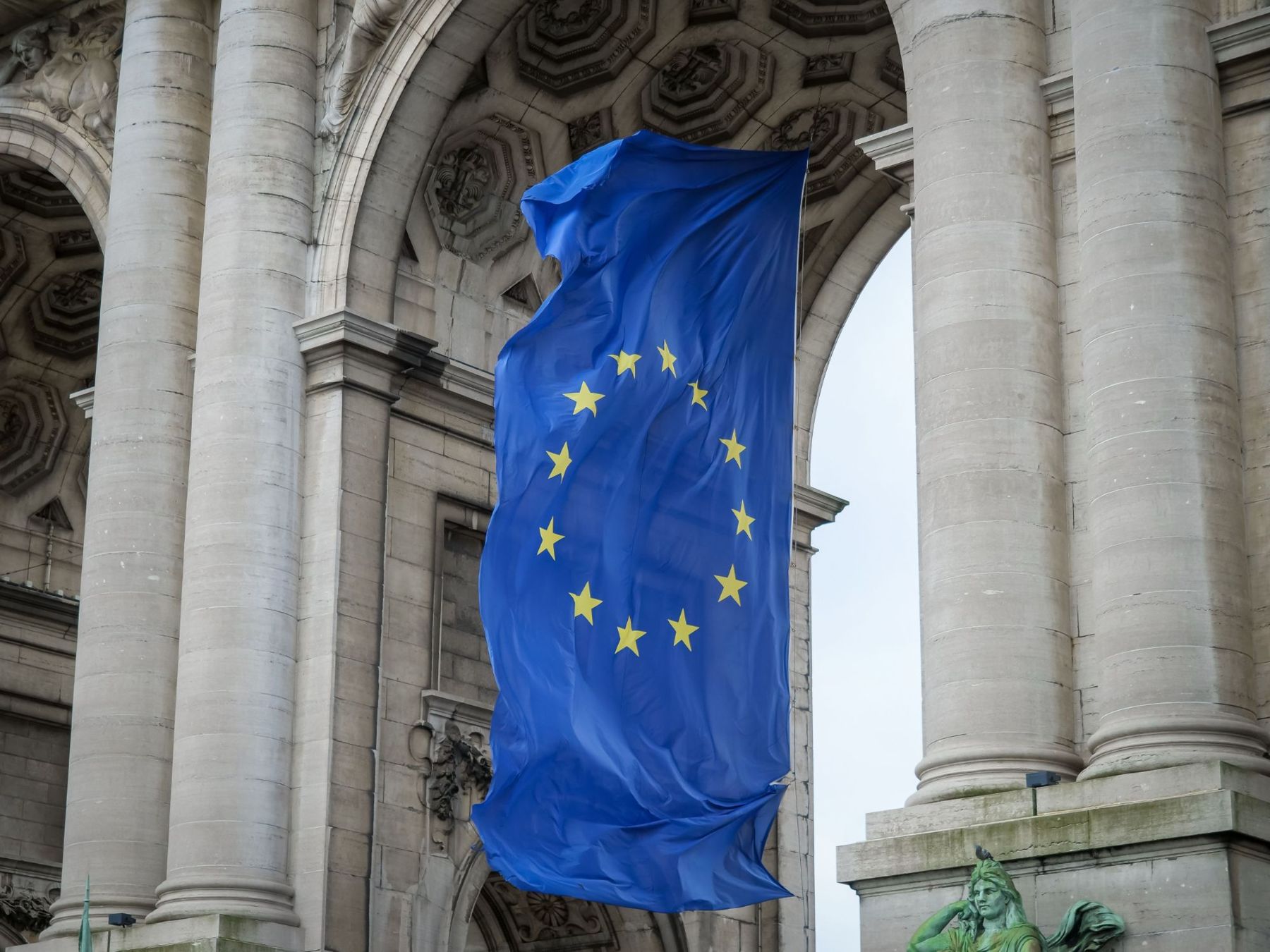
Poland is obliged under the Accession Treaty to adopt the euro in the future but has not set a date. A company may hold a euro account and settle with counterparties in euros.
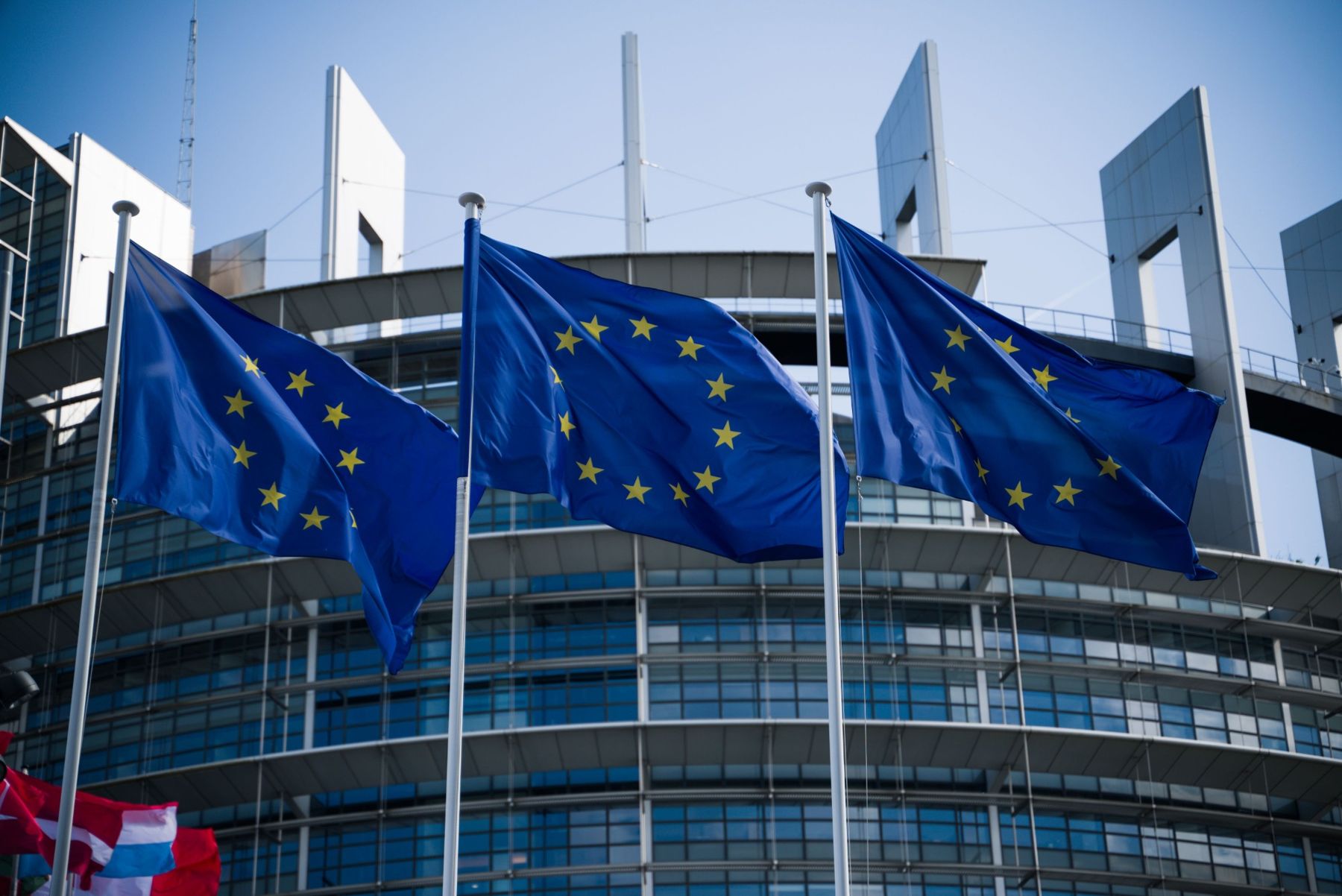
The EU single market: free movement of goods, services, capital and people, common VAT rules for intra-EU trade, and the Schengen Area since 2007. A company in Poland operates in a market of approx. 450 million consumers.
regions
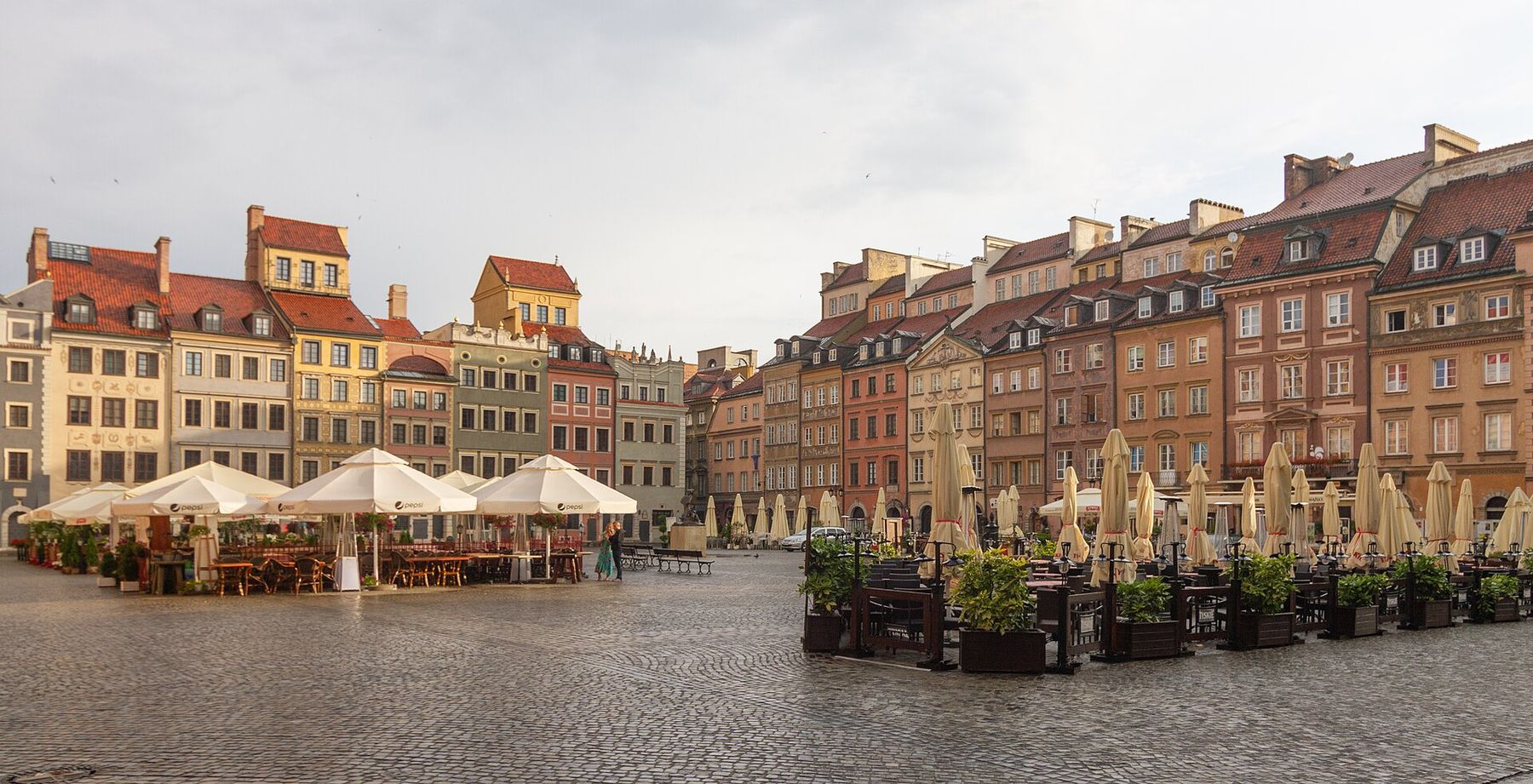
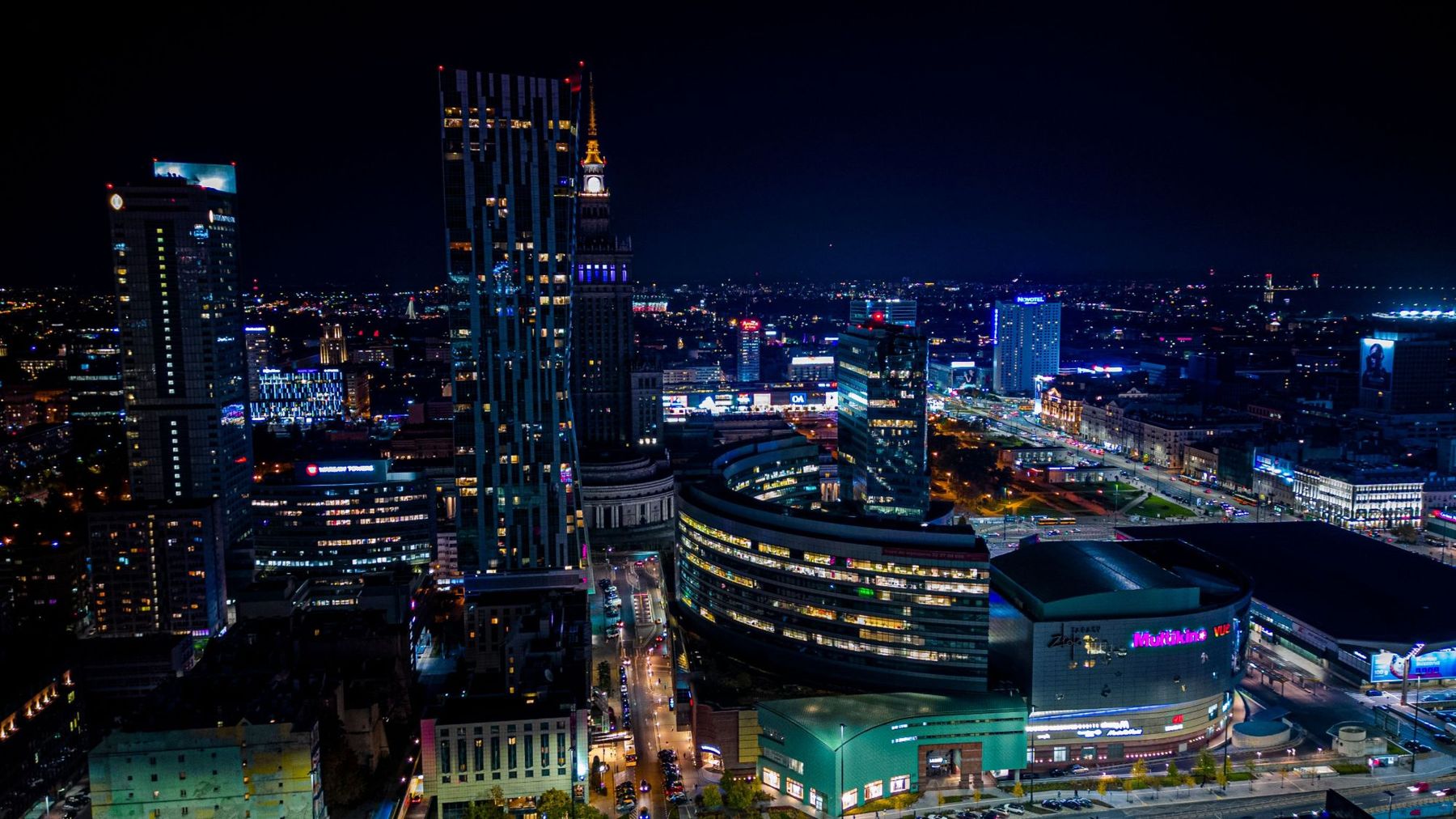
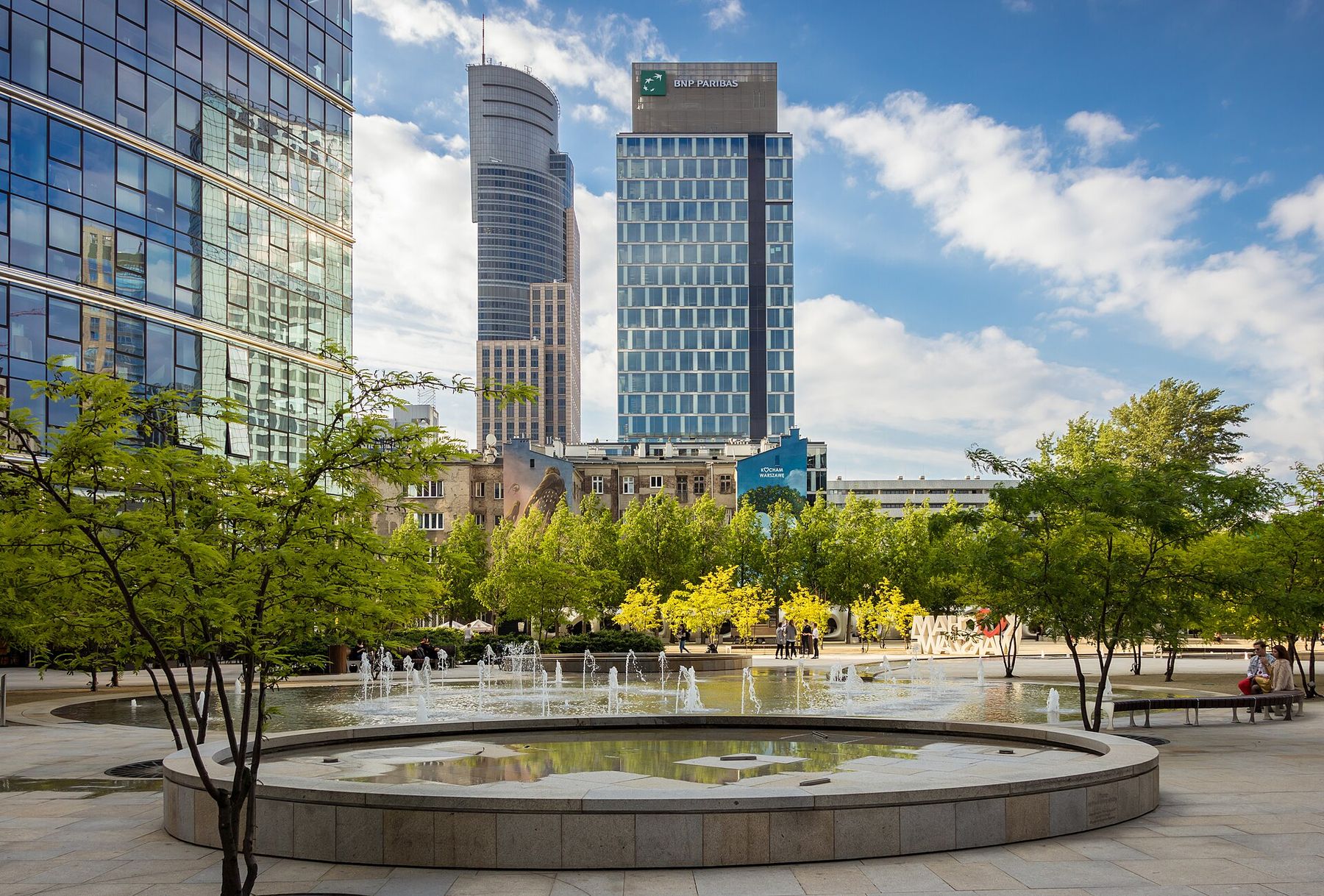
Masovia
Finance, company headquarters, administration, professional services. The highest salaries and prices in the country.
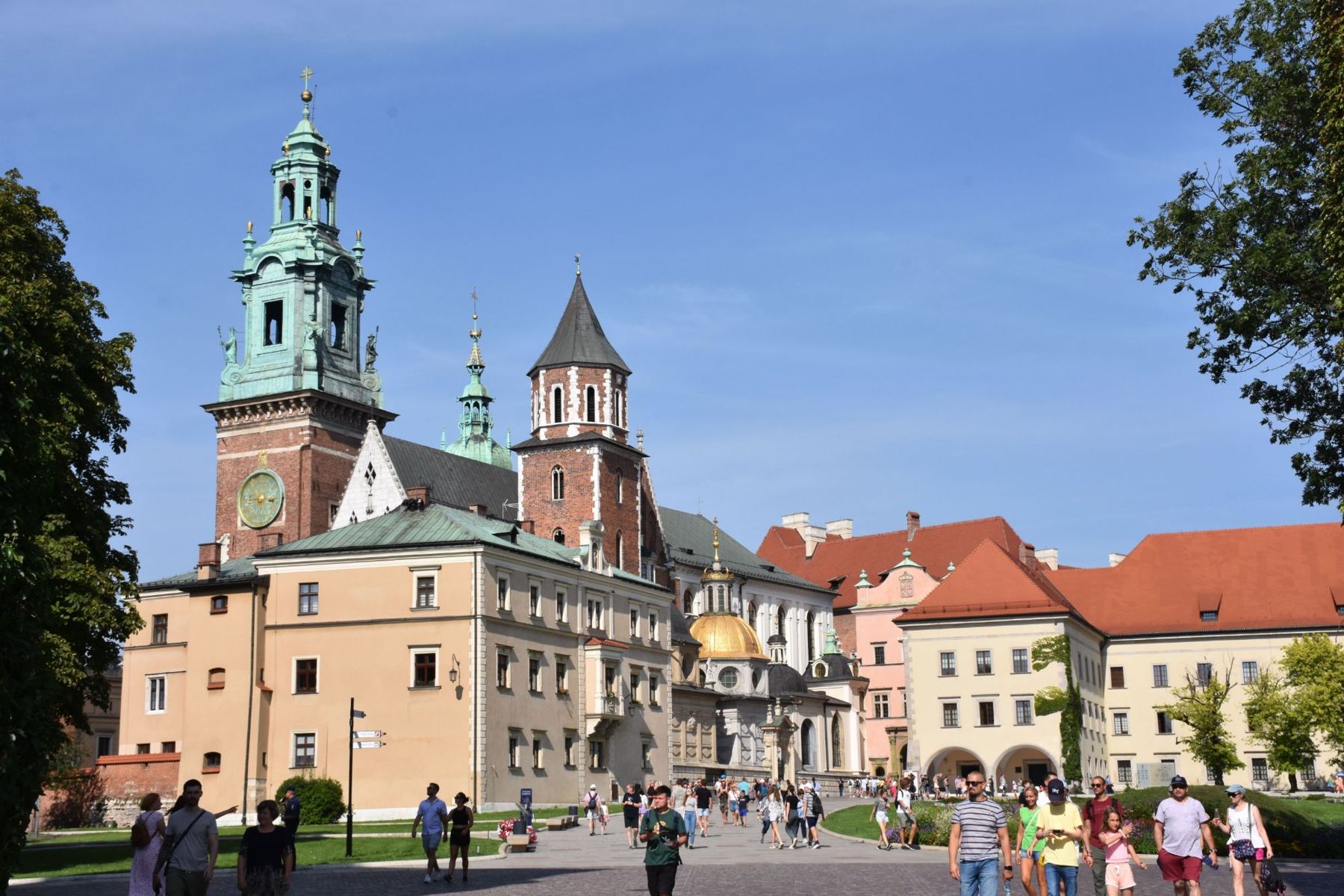
Lesser Poland
IT, business service centres, tourism, universities. A large pool of multilingual specialists.
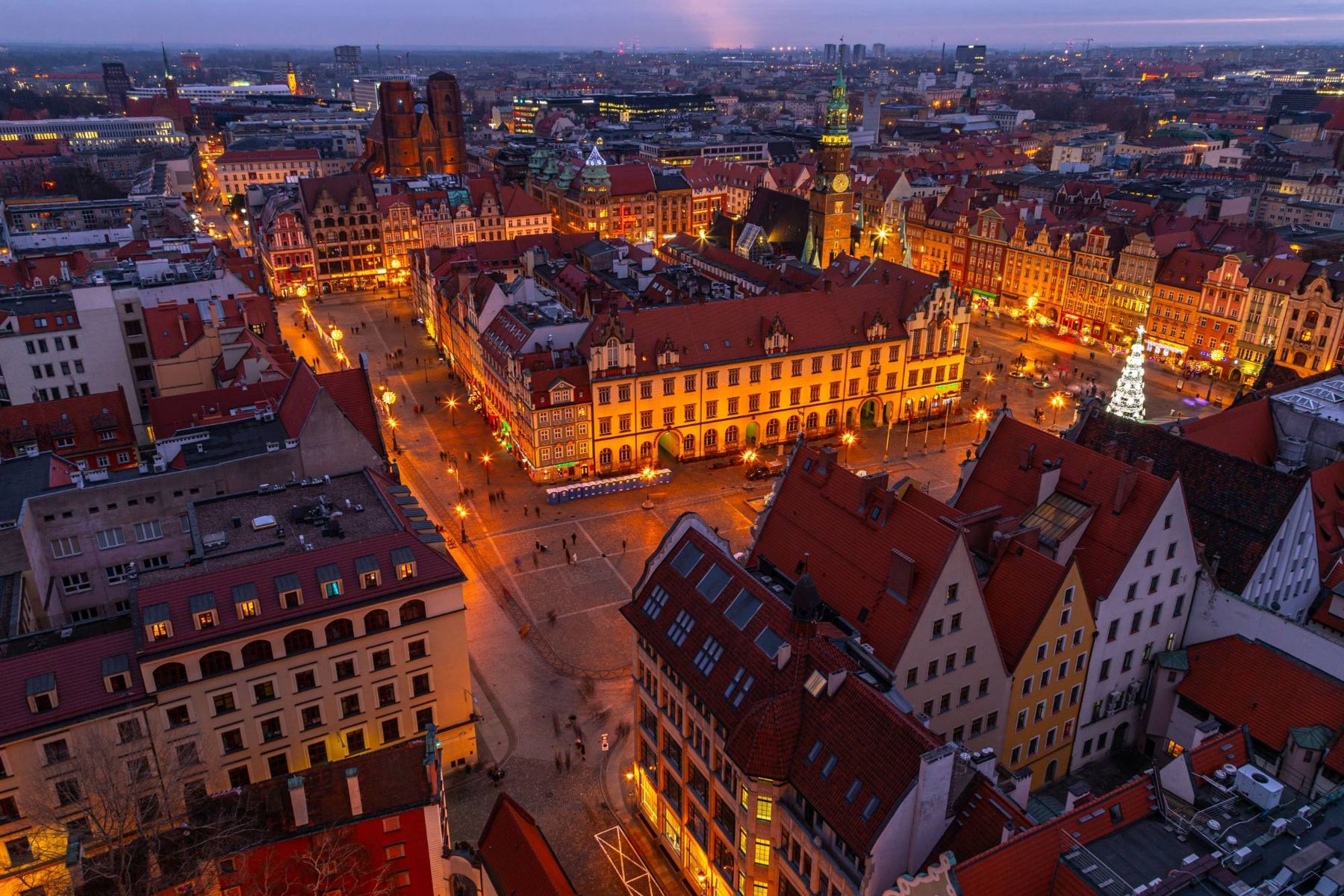
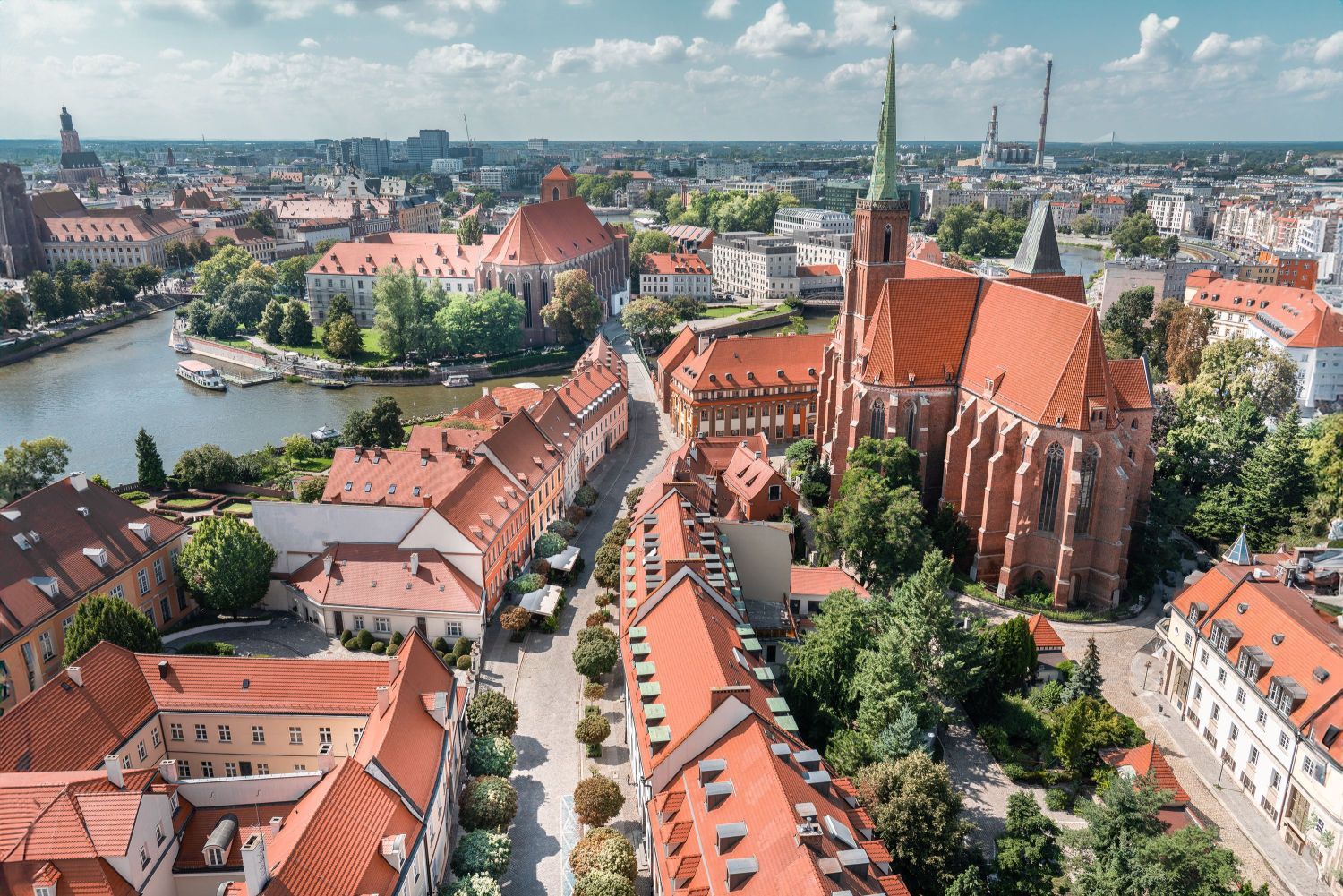
Lower Silesia
Manufacturing, electronics, automotive, IT. Close to the borders with Germany and the Czech Republic.
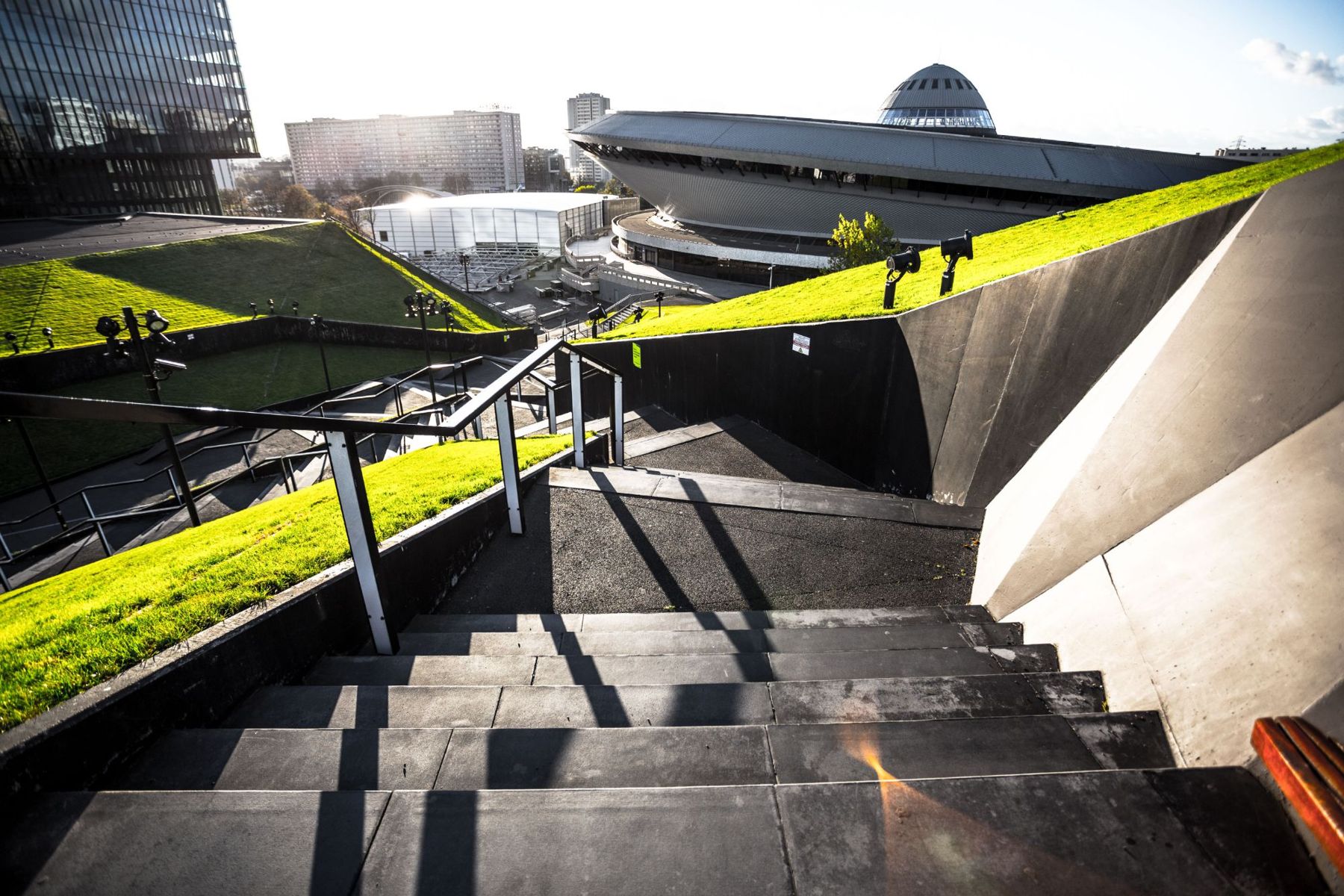
Silesia
Industry, automotive, energy. A metropolis of approx. 2 million people.
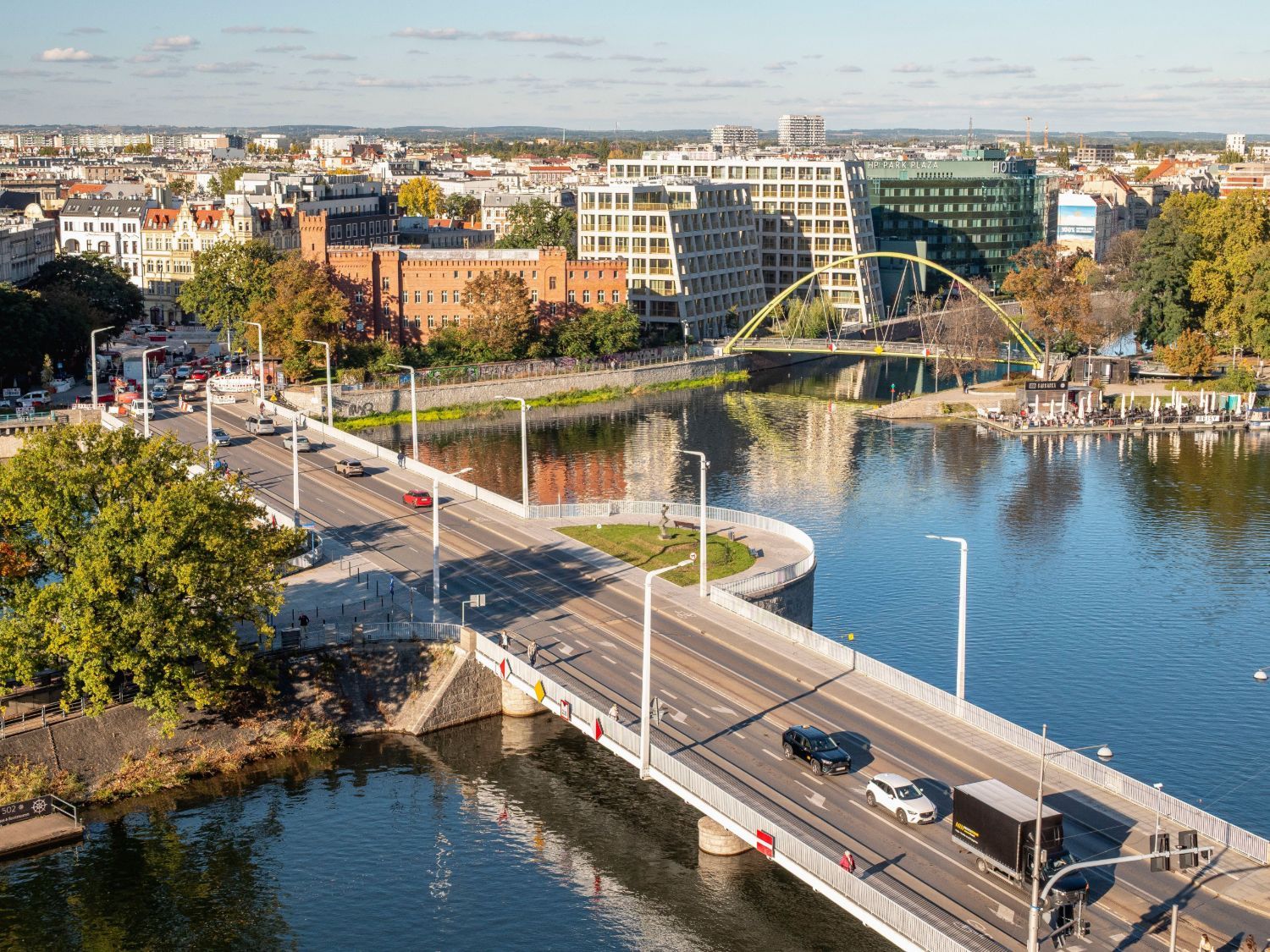
Greater Poland
Trade, logistics, processing, trade fairs. On the Berlin–Warsaw route.
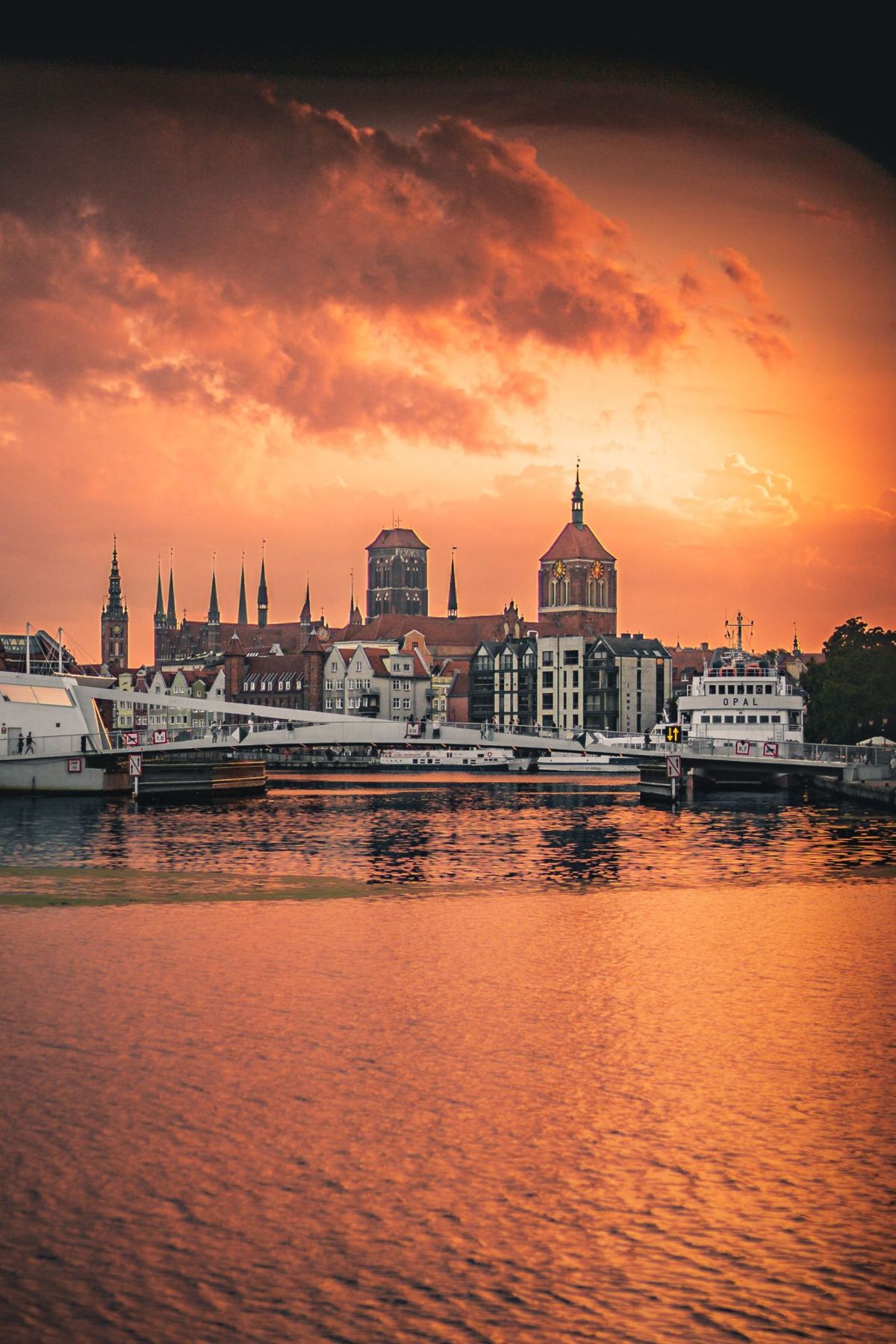
Pomerania
Ports, maritime logistics, shipyards, IT, fintech.
Łódź Voivodeship
Logistics and warehousing in the centre of the country, light industry, services.
security
A stable democracy in the EU and NATO, low crime and predictable law.
.01
Poland ranks among the safest countries in Europe in security rankings; a walk in the centre of a large city in the evening is usually safe.
.02
Member of NATO since 1999 and of the EU since 2004. Defence spending is among the highest in NATO relative to GDP.
.03
Works throughout the EU, also in English. Police 997, ambulance 999, fire brigade 998.
.04
Property and contracts are protected by EU law; commercial disputes are resolved by the common courts, and cases against authorities by the administrative courts.
.05
Public (NFZ) and networks of private clinics on a subscription basis, popular in employee benefit packages.
.06
Pickpockets in tourist areas and suspicious e-mails “from the authorities”. Always check company details in the KRS and on the VAT white list.
miasta
Population according to GUS. Including their metropolitan areas, Warsaw and Katowice each have approx. 2–3 million inhabitants.
taxes
| CIT | 19%; 9% for small taxpayers (revenue up to EUR 2 million) and in the first year of business; Estonian CIT available if the conditions are met |
| VAT | 23% standard rate; 8% and 5% reduced rates; mandatory National e-Invoicing System (KSeF) since 2026 |
| PIT | tax scale of 12% and 32% (threshold PLN 120,000), 19% flat tax for business owners, lump-sum tax for selected industries |
| Dividends | 19% withholding tax; for foreign shareholders the rate may be lower under a double taxation treaty |
| Employer ZUS | approx. 20% on top of gross salary (pension, disability, accident, Labour Fund, FGŚP) |
| IP Box | 5% on income from qualifying intellectual property rights, e.g. software |
| Polish Investment Zone | CIT exemption for 10–15 years for new investments that meet the criteria |
General description, not tax advice. We will prepare the details for your company in a report.
business culture
Meetings start on time. If you are going to be late, let people know.
At first “Pan” and “Pani” with the surname or title. First names are used once the older or more senior person suggests it.
A handshake and eye contact. Business cards are still in use.
Important decisions are made at the top. It is worth talking to the person who can sign the contract.
Poles attach importance to detailed contracts. It is good practice to confirm what was agreed in a conversation by e-mail.
Trust is built at meetings. A shared lunch or industry event helps more than yet another e-mail.
Christmas and Easter are times when decisions get postponed. July and August are the holiday season.
history
The Baptism of Poland and the beginning of the state.
The Union of Lublin and the Polish–Lithuanian Commonwealth, one of the largest states in Europe.
The Third Partition; Poland disappears from the map for 123 years.
On 11 November Poland regains its independence.
The Second World War; huge loss of life and the destruction of Warsaw.
The first partially free elections and the beginning of the market economy.
Accession to NATO.
Accession to the European Union; rapid economic growth ever since.
embassies and institutions
Embassies in Warsaw have trade sections that help companies from their countries. The Polish Investment and Trade Agency (PAIH) supports investors on the ground. We can accompany you to meetings with institutions.
How we can help
An attorney-at-law handles your matter from the first conversation to the result. Fixed price, agreed in writing before we start.
 Company registrationCompany registrationCompanyWe set up limited liability companies, joint-stock companies, branches and representative offices, and take them all the way to their first invoice.
 TransactionsTransactionsTransactionsCommercial and investment agreements and financing for mid-sized companies, in Polish and English.
 Real estateReal estateAssetsBuying and renting offices, warehouses and apartments in Poland, with no surprises in the land and mortgage register.
PDF report · free
Poland in numbers, the economy, regions, taxes, company forms, first steps and residence rules. With a map of cities and photos.
Download PDF (2.6 MB)Comparison by e-mail
CIT, VAT, dividends, the double taxation treaty and start-up costs. We will prepare a comparison for your country and send it within 1 business day.
A voice conversation with an AI consultant is in preparation. You can already listen to this page or talk to our team.
Book a call with an attorney+48 505 460 020